
A Kathmandu to Muktinath tour is a popular pilgrimage and scenic road journey in Nepal, taking travelers from Kathmandu through the hills and mountains to the sacred Muktinath Temple in Mustang. The journey combines religious significance with spectacular Himalayan landscapes, winding mountain roads, rivers, waterfalls, traditional villages, and views of the Annapurna and Dhaulagiri ranges.
Typical Route
Kathmandu → Pokhara → Tatopani → Ghasa → Marpha → Jomsom → Kagbeni → Muktinath
Depending on the package and road conditions, the route and overnight stops can vary.
Contents
What Travelers Experience
- 🛕 Muktinath Temple – one of Nepal’s most important pilgrimage destinations
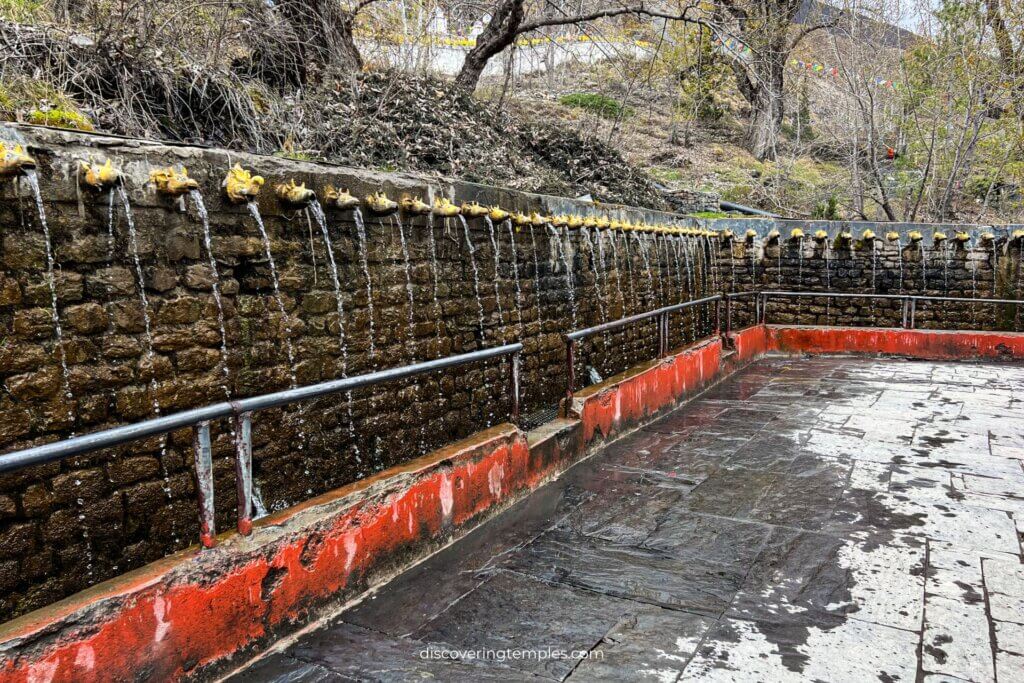
- 💧 108 water spouts and sacred bathing
- 🏔️ Stunning Annapurna and Dhaulagiri mountain scenery
- 🏘️ Traditional Mustang villages such as Marpha and Kagbeni
- 🌊 Kali Gandaki River and the world’s deepest gorge region
- 🍎 Local Mustang apples and traditional foods
- 🚙 Scenic Himalayan road journey through changing landscapes
Best For
The Kathmandu–Muktinath tour is suitable for pilgrims, families, senior citizens, couples, and travelers who want to experience both the spiritual importance of Muktinath and the natural beauty of the Mustang region.
Duration
A practical road-based trip from Kathmandu generally takes several days, depending on the vehicle, road conditions, overnight stops, and whether travelers also spend time in Pokhara.
For a tour-package website, I would position the page around the primary keyword “Kathmandu to Muktinath Tour” and supporting keywords such as “Kathmandu to Muktinath Tour Package,” “Muktinath Tour from Kathmandu,” “Kathmandu Muktinath Yatra,” and “Muktinath Tour by Bus/Jeep/EV.”
Significance of Muktinath in Hindu and Buddhist Traditions
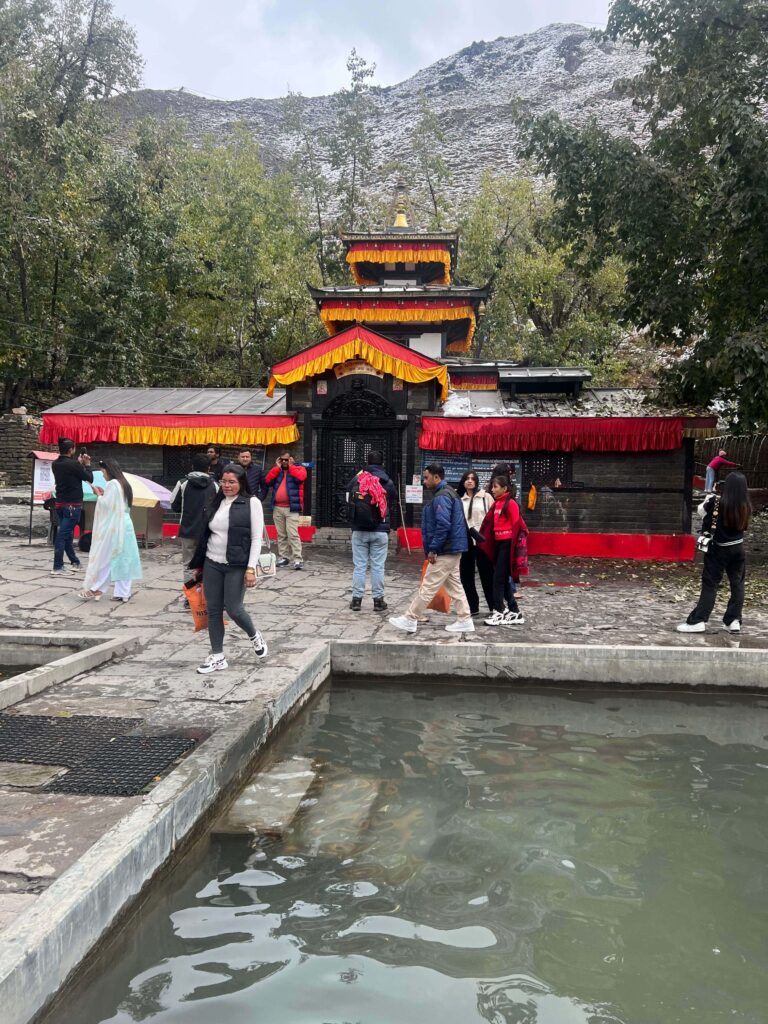
Muktinath, located in Mustang, Nepal, is one of the rare pilgrimage sites revered by both Hindus and Buddhists. The site is known as Muktinath among Hindus and Chumig Gyatsa in the Tibetan Buddhist tradition, making it an important destination for spiritual pilgrims from Nepal, India, Tibet, and beyond.
🕉️ Muktinath in Hindu Tradition
For Hindus, Muktinath is considered a sacred Vishnu pilgrimage site and is associated with liberation (moksha). The name Muktinath is commonly understood as “Lord of Liberation.”
The temple is traditionally associated with Lord Vishnu, particularly the form of Sri Muktinath. Pilgrims visit the temple to pray, perform rituals, and bathe under the 108 sacred water spouts, which are an important part of the pilgrimage experience.
Muktinath is also associated with Shaligram (Shaligrama) stones, sacred black fossil stones found in the Kali Gandaki River and traditionally regarded by Vaishnavite Hindus as manifestations or symbols of Lord Vishnu.
☸️ Muktinath in Buddhist Tradition
In Tibetan Buddhism, Muktinath is known as Chumig Gyatsa, generally translated as “Hundred Waters.” It is considered a sacred site associated particularly with Dakini practices and the Tibetan Buddhist tradition.
The site’s natural springs and water are considered sacred, while the temple complex also contains Buddhist shrines and a monastery. Buddhist pilgrims visit the area for prayer, meditation, offerings, and spiritual practice.
One of Muktinath’s most distinctive features is the coexistence of Hindu and Buddhist traditions. Rather than being exclusively associated with one religion, the pilgrimage site has developed as a place where different religious traditions share the same sacred landscape.
This makes Muktinath more than simply a temple destination—it is a symbol of Nepal’s religious and cultural diversity, where Hindu and Buddhist pilgrims have worshipped for generations.
Why Muktinath Is Important to Pilgrims
For many Hindu pilgrims, the journey to Muktinath represents an opportunity for devotion, purification, and the pursuit of moksha. For Buddhists, the site represents an important sacred landscape connected with spiritual practice and the veneration of holy waters and Buddhist traditions.
This combination of religion, Himalayan culture, natural landscape, and pilgrimage is what makes Muktinath one of Nepal’s most significant spiritual destinations.
Purpose of the Itinerary
The purpose of a Kathmandu to Muktinath tour itinerary is to provide travelers with a well-organized and comfortable journey that combines spiritual pilgrimage, cultural exploration, and Himalayan sightseeing.
The itinerary is designed to:
- 🛕 Facilitate the Muktinath pilgrimage with sufficient time for temple दर्शन, prayers, and religious rituals.
- 🏔️ Explore the natural beauty of Mustang, including the Kali Gandaki Valley, mountain landscapes, waterfalls, and traditional Himalayan settlements.
- 🏘️ Experience local culture and heritage in places such as Jomsom, Marpha, Kagbeni, and Muktinath.
- 🚐 Organize the journey efficiently, grouping nearby destinations together and minimizing unnecessary travel.
- 🛏️ Provide appropriate overnight stops to make the long road journey more manageable and comfortable.
- 📸 Allow time for sightseeing and photography without making each day excessively rushed.
- 🙏 Balance pilgrimage and leisure, making the tour suitable for families, senior citizens, pilgrims, and general travelers.
Overall, the itinerary aims to make the Kathmandu–Muktinath journey spiritually meaningful, geographically efficient, and enjoyable while allowing travelers to experience the major highlights along the route.
Day 1: Kathmandu to Beni
Day 2:Beni to Muktinath and back to Marpha
Day 3: Marpha to Pokhara
Day 4: Pokhara to Kathmandu
Conclusion
The Kathmandu to Muktinath tour is more than a journey to a religious destination; it is a complete experience combining spirituality, culture, nature, and adventure. From the vibrant Kathmandu Valley and scenic Pokhara to the dramatic landscapes of the Kali Gandaki Valley and the sacred surroundings of Muktinath, each stage of the journey offers something meaningful.
Muktinath’s importance to both Hindu and Buddhist traditions makes it a unique pilgrimage destination, while the surrounding Mustang region adds cultural and natural attractions to the trip. A carefully planned itinerary ensures that travelers can complete their pilgrimage comfortably while also enjoying the Himalayan scenery and local heritage.
Overall, the Kathmandu–Muktinath tour provides a memorable and spiritually enriching journey through some of Nepal’s most remarkable landscapes and sacred places.
Recap of the Tour Highlights
The Kathmandu to Muktinath tour offers a memorable combination of pilgrimage, Himalayan scenery, cultural discovery, and road adventure. The major highlights include:
- 🛕 Muktinath Temple – Visit one of Nepal’s most revered pilgrimage sites, sacred to both Hindus and Buddhists.
- 💧 108 Sacred Water Spouts – Experience the traditional pilgrimage ritual at Muktinath.
- 🏔️ Himalayan Landscapes – Enjoy spectacular views of the Annapurna, Dhaulagiri, and surrounding mountain ranges.
- 🌊 Kali Gandaki Valley – Travel through one of Nepal’s most dramatic mountain river valleys.
- 🪨 Shaligram Region – Explore the Kali Gandaki area, famous for sacred Shaligram stones in Hindu tradition.
- 🏘️ Traditional Mustang Villages – Discover the unique culture, architecture, and lifestyle of places such as Marpha, Jomsom, Kagbeni, and Muktinath.
- 🍎 Marpha – Experience the famous apple-growing village and its picturesque surroundings.
- 🏔️ Kagbeni – Explore this historic Himalayan settlement and gateway toward Upper Mustang.
- 🚐 Scenic Mountain Road Journey – Experience the changing landscapes from Nepal’s mid-hills to the high Himalayan desert.
- 🙏 Spiritual Experience – Enjoy time for prayer, पूजा, meditation, and personal reflection in a deeply sacred environment.
In short, the tour combines a meaningful pilgrimage to Muktinath with breathtaking Himalayan scenery and an authentic experience of Mustang’s unique culture and landscape.
Importance of the Experience for Spiritual and Cultural Enrichment
The Kathmandu to Muktinath journey provides an opportunity for travelers to experience Nepal beyond its landscapes and tourist attractions. The pilgrimage combines spiritual reflection, religious devotion, cultural understanding, and meaningful interaction with Himalayan communities.
🕉️ Spiritual Enrichment
Visiting Muktinath allows pilgrims to spend time in a peaceful sacred environment, offering prayers and participating in traditional rituals. For Hindu devotees, the temple is associated with Lord Vishnu and the pursuit of moksha, while Buddhist pilgrims recognize the area as Chumig Gyatsa, a sacred site connected with Tibetan Buddhist traditions.
The journey itself can also encourage reflection, gratitude, devotion, and inner peace, particularly as travelers move away from the busy urban environment and into the tranquil Himalayan landscape.
🏔️ Cultural Enrichment
The tour introduces travelers to the distinctive culture of the Mustang and Kali Gandaki region. Visiting traditional settlements such as Marpha, Jomsom, and Kagbeni provides insight into local architecture, customs, religious practices, food, and Himalayan lifestyles.
The coexistence of Hindu and Buddhist traditions at Muktinath is especially significant, demonstrating Nepal’s long-standing religious and cultural diversity.
🤝 A Deeper Connection with Nepal
Traveling through the region by road allows visitors to see how geography, religion, and local communities are closely connected. The changing landscape—from the Kathmandu Valley to the Himalayan mountains—makes the journey itself an important part of the experience.
Overall, the Muktinath tour offers more than sightseeing. It creates an opportunity for spiritual reflection, cultural appreciation, and a deeper understanding of Nepal’s religious heritage and Himalayan way of life.