
Contents
- 1 Overview of Manang as a Travel Destination
- 2 Importance of Tour Packages for Travelers
- 3 Highlights of the Kathmandu to Manang Tour
- 4 Kathmandu to Manang Tour – Itinerary Overview
- 5 Key Attractions in Manang
- 6 Natural Landscapes and Trekking Routes in Manang
- 7 Travel Tips and Recommendations for a Kathmandu to Manang Tour
- 7.1 🎒 1. Pack for Changing Weather
- 7.2 🏔️ 2. Take Altitude Seriously
- 7.3 🚙 3. Prepare for Mountain Roads
- 7.4 🛏️ 4. Book Accommodation in Advance
- 7.5 📸 5. Keep Time for Scenic Stops
- 7.6 🥾 6. Plan Trekking Separately
- 7.7 💧 7. Stay Hydrated and Eat Well
- 7.8 📱 8. Carry Essential Items
- 7.9 🌿 9. Respect Local Culture and Nature
- 7.10 📅 10. Choose the Right Season
- 8 Recommendations for Photography and Sightseeing
- 9 Health and Safety Considerations
- 9.1 🏔️ 1. Altitude Awareness
- 9.2 💧 2. Stay Hydrated
- 9.3 🍲 3. Maintain Proper Nutrition
- 9.4 🧥 4. Prepare for Cold and Changing Weather
- 9.5 🚙 5. Road Travel Safety
- 9.6 🥾 6. Trekking Precautions
- 9.7 🩹 7. Carry Essential Medical Supplies
- 9.8 📱 8. Emergency Preparedness
- 9.9 🌿 9. Protect the Environment
- 9.10 🙏 10. Respect Local Culture
- 10 Conclusion
Overview of Manang as a Travel Destination
Manang is one of Nepal’s most spectacular Himalayan destinations, situated in the northern part of the Annapurna Conservation Area. Known for its dramatic mountain scenery, high-altitude landscapes, traditional villages, and Tibetan-influenced culture, Manang is a major highlight of the Annapurna region. (Nepal Tourism Board)


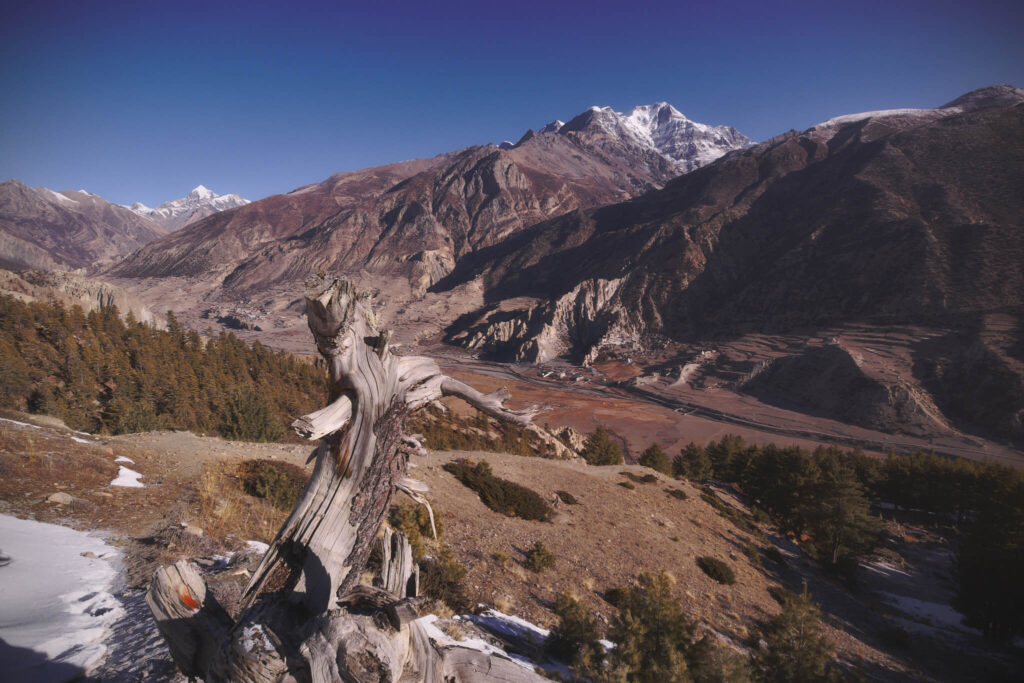
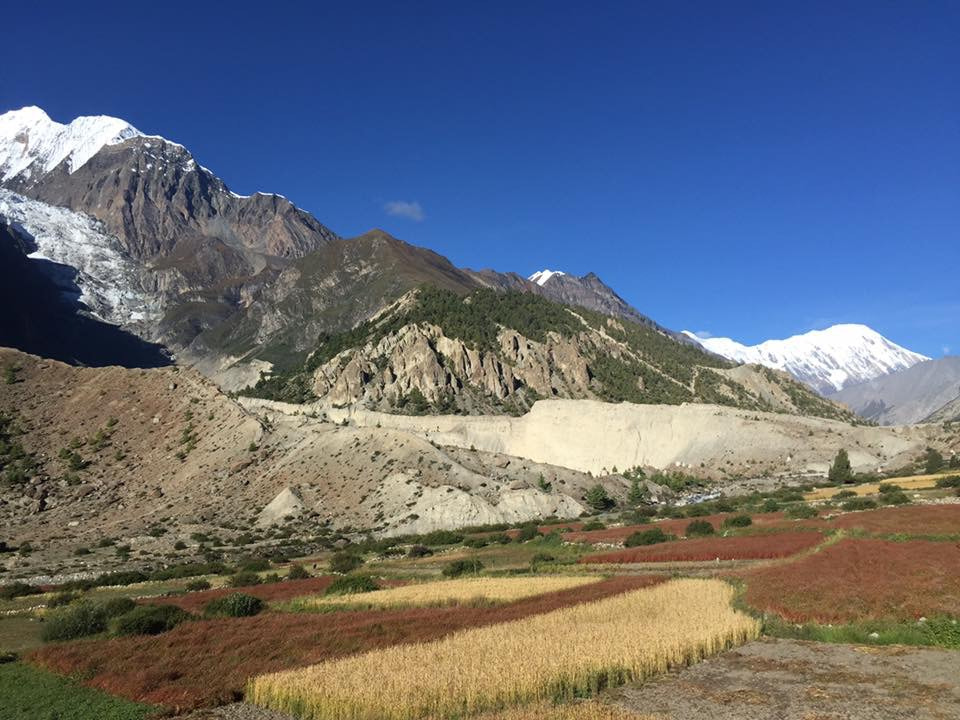

Spectacular Himalayan Landscape
The landscape changes dramatically as travelers move toward Manang—from green hills and forests to dry, rocky, high-altitude terrain resembling the Tibetan Plateau. The region offers impressive views of the Annapurna range and surrounding Himalayan peaks. (Nepal Tourism Board)
🌊 Lakes and Natural Attractions
Manang is particularly famous for its high-altitude lakes, including Tilicho Lake, situated at about 4,919 m. The region also features glaciers, rivers, waterfalls, alpine valleys, and dramatic mountain landscapes. (Nepal Tourism Board)
🏘️ Traditional Himalayan Culture
Manang’s villages provide an opportunity to experience traditional Himalayan lifestyles and architecture. As the Annapurna region extends northward, Tibetan cultural influence becomes increasingly evident, adding distinctive religious and cultural character to the destination. (Nepal Tourism Board)
🥾 Gateway to the Annapurna Circuit
Manang is one of the principal destinations on the Annapurna Circuit, one of Nepal’s best-known trekking routes. The route follows the Marsyangdi River upstream toward Manang before continuing toward the high mountains and Thorong La Pass. (Nepal Tourism Board)
🌿 Nature and Adventure
Located within the Annapurna Conservation Area, Manang is suitable for trekking, mountain sightseeing, village exploration, photography, and adventure travel. The wider conservation area supports diverse wildlife and vegetation, including Himalayan species such as blue sheep and snow leopard. (Nepal Tourism Board)
📅 Best Time to Visit
For most trekking and travel activities, March–May and September–November are generally considered favorable periods. Because Manang is at high altitude, weather can be cold and conditions can change quickly, particularly during winter. (Nepal Tourism Board)
Overall, Manang offers a rare combination of dramatic Himalayan scenery, high-altitude adventure, traditional mountain culture, and peaceful village life, making it one of the most rewarding destinations in the Annapurna region.
Importance of Tour Packages for Travelers
Tour packages play an important role in making travel organized, convenient, cost-effective, and enjoyable. For destinations such as Manang, where transportation, accommodation, altitude, and road conditions can make independent planning challenging, a well-designed package can provide travelers with greater comfort and confidence.
🚐 1. Convenience and Easy Planning
A tour package brings major travel arrangements together in one plan, including transportation, accommodation, meals, sightseeing, and itinerary management. Travelers can enjoy the journey without having to coordinate every detail themselves.
💰 2. Better Cost Management
Packages can combine multiple services at a competitive price. This helps travelers understand their total expected travel cost in advance and reduces unexpected expenses.
🗺️ 3. Efficient Itinerary
A professionally planned itinerary groups destinations logically and allows travelers to make better use of their time. For a Manang tour, this can mean covering major attractions without unnecessary backtracking or rushed travel.
🏔️ 4. Safer and More Comfortable Travel
Mountain destinations involve changing weather, difficult roads, and high-altitude environments. Organized tours can provide experienced drivers, appropriate vehicles, planned overnight stops, and local assistance, making the journey more manageable.
🏘️ 5. Cultural and Local Experiences
Tour packages can include opportunities to explore traditional villages, local lifestyles, religious sites, food, and regional culture, helping travelers experience more than just the major tourist attractions.
👨👩👧👦 6. Suitable for Different Travelers
Well-designed packages can be adapted for families, groups, couples, senior travelers, and adventure seekers, with appropriate transportation, accommodation, and pacing.
📸 7. A More Complete Travel Experience
By combining sightseeing, cultural exploration, relaxation, and adventure, tour packages help travelers experience the destination more completely while reducing the stress of organizing the trip themselves.
Overall, a good tour package transforms travel from a collection of separate arrangements into a well-coordinated experience, allowing travelers to focus on enjoying the destination, creating memories, and experiencing the local culture.
Highlights of the Kathmandu to Manang Tour
The Kathmandu to Manang tour is a scenic Himalayan journey that combines adventure, natural beauty, and cultural exploration. The major highlights include:
- 🏔️ Manang Valley – Experience the spectacular high-altitude landscape surrounded by the Annapurna range.
- 🌊 Marsyangdi River – Follow the dramatic river valley through mountains, gorges, waterfalls, and forests.
- 🏘️ Traditional Himalayan Villages – Explore places such as Dharapani, Chame, Pisang, and Manang, each offering distinctive mountain culture and scenery.
- 🌲 Changing Landscapes – Witness the transformation from lush green hills and forests to the dry, rugged landscapes of the Manang region.
- 🏞️ Gangapurna Glacier & Lake – Enjoy one of the area’s notable natural attractions near Manang village.
- 🏔️ Annapurna Mountain Views – Admire spectacular views of Annapurna II, Annapurna III, Gangapurna, and surrounding peaks.
- 🛕 Local Culture and Monasteries – Experience the Buddhist traditions, architecture, and lifestyle of the Himalayan communities.
- 🚙 Scenic Mountain Road Journey – Enjoy an adventurous road trip through some of Nepal’s most dramatic mountain terrain.
- 📸 Photography & Sightseeing – Numerous viewpoints, waterfalls, villages, and mountain landscapes provide memorable photo opportunities.
Overall, the Kathmandu–Manang tour offers a perfect blend of mountain adventure, cultural discovery, and breathtaking Himalayan scenery.
Kathmandu to Manang Tour – Itinerary Overview
The Kathmandu to Manang tour is designed as a scenic road journey through the Marsyangdi Valley, gradually moving from the Kathmandu Valley into the high Himalayan landscape of Manang.
Day 1: Kathmandu → Dharapani
Begin the journey from Kathmandu and travel toward Dharapani, passing through scenic hills, rivers, forests, and mountain settlements. Dharapani serves as the gateway to the Manang region.
Day 2: Dharapani → Manang Valley
Continue along the Marsyangdi Valley through Chame, Pisang, and other traditional settlements before reaching Manang. Enjoy dramatic mountain views and the changing landscape as the elevation increases.
Day 3: Manang Valley → Tal Village
Spend the morning exploring the beauty and culture of Manang before beginning the return journey. Travel through the spectacular mountain valley and stay overnight around Tal Village.
Day 4: Tal Village → Kathmandu
After breakfast, begin the scenic drive back to Kathmandu. Enjoy the final views of the Marsyangdi Valley and surrounding hills before arriving in Kathmandu.
Tour Summary
Kathmandu → Dharapani → Manang → Tal → Kathmandu
This itinerary balances long-distance travel, sightseeing, mountain scenery, village exploration, and relaxation, allowing travelers to experience the highlights of the Manang region within a compact tour
Included:
✔️ Scorpio Jeep Transportation
✔️ Breakfast (3), Lunch (4), Dinner (3)
✔️ Hotel Accommodation
✔️ Professional Driver (Guide)
Excluded:
✖️ Mineral Water, BBQ, Drinks
✖️ Extra Meals / Vehicle Cost
✖️ Entrance Fees, TAX, VAT
✖️ Natural delay / strikes cost
Key Attractions in Manang
Manang is known for its dramatic Himalayan scenery, high-altitude landscapes, traditional villages, and rich mountain culture. Some of the key attractions include:
- 🏔️ Manang Village – The main settlement of the valley, surrounded by spectacular Himalayan peaks and traditional stone-built houses.
- 🌊 Gangapurna Lake & Glacier – A beautiful glacial lake near Manang, with impressive views of Gangapurna and the surrounding mountains.
- 🏞️ Tilicho Lake – One of the world’s highest lakes, located at approximately 4,919 metres, and a major attraction for trekkers visiting the wider Manang region.
- 🏘️ Pisang Village – Famous for its traditional architecture, mountain scenery, and views of Annapurna II and surrounding peaks.
- 🏔️ Chame – The administrative center of Manang District and a popular stop surrounded by forests, waterfalls, and dramatic mountains.
- 🛕 Buddhist Monasteries – Monasteries and prayer sites throughout the valley reflect the region’s strong Tibetan Buddhist cultural influence.
- 🌄 Marsyangdi Valley – The journey through the valley offers spectacular combinations of rivers, cliffs, waterfalls, forests, and Himalayan peaks.
- 🏔️ Annapurna Mountain Views – The region provides remarkable views of peaks including Annapurna II, Annapurna III, Gangapurna, and Annapurna IV.
- 🌿 Changing Himalayan Landscape – Travelers can experience the dramatic transition from green lower valleys to the dry, rugged terrain of the high Himalayas.
- 🥾 Annapurna Circuit Region – Manang is one of the most important sections of the famous Annapurna Circuit and a base for exploring the surrounding high-altitude landscape.
Overall, Manang’s appeal comes from the combination of spectacular mountains, glacial landscapes, traditional Himalayan settlements, Buddhist heritage, and adventure opportunities.
Natural Landscapes and Trekking Routes in Manang
Manang is renowned for its dramatic Himalayan landscapes and world-famous trekking routes. The region offers a remarkable transition from lush valleys and pine forests to rugged, dry high-altitude terrain, surrounded by some of the world’s highest mountains.
🏔️ Natural Landscapes
- Annapurna Mountain Range: Spectacular views of Annapurna II, III, IV, Gangapurna, and surrounding peaks.
- Marsyangdi River Valley: A dramatic landscape of deep gorges, cliffs, waterfalls, forests, and mountain villages.
- Gangapurna Glacier and Lake: A striking glacial landscape close to Manang village.
- Tilicho Lake: At approximately 4,919 metres, Tilicho Lake is one of the region’s most famous high-altitude destinations.
- Alpine and High-Himalayan Terrain: The landscape changes noticeably with altitude, creating diverse scenery and ecosystems.
- Traditional Mountain Settlements: Villages such as Pisang and Manang blend naturally into the surrounding Himalayan environment.
🥾 Major Trekking Routes
1. Annapurna Circuit
The principal trekking route through Manang, connecting the Marsyangdi Valley with the high Himalayas and continuing toward Thorong La Pass and Mustang.
2. Manang–Tilicho Lake Trek
A popular side route from Manang toward Tilicho Lake, offering spectacular views of glaciers, mountains, and high-altitude landscapes.
3. Manang–Ice Lake Trek
A challenging day hike from Manang to Ice Lake (Kicho Tal), known for panoramic views of the Annapurna range and surrounding peaks.
4. Manang–Khangsar Route
A scenic route toward Khangsar village, also serving as an approach toward the Tilicho Lake area.
🌄 Why Travelers Choose Manang
The combination of mountain scenery, high-altitude lakes, traditional villages, Buddhist culture, and diverse trekking trails makes Manang one of Nepal’s most rewarding destinations for nature lovers and adventure travelers.
Note: Trekking at high altitude requires proper acclimatization and preparation. Weather and trail conditions can change quickly, so routes should be assessed locally before departure.
Travel Tips and Recommendations for a Kathmandu to Manang Tour
A trip to Manang is an exciting Himalayan adventure, but the long road journey, changing weather, and increasing altitude require good preparation.
🎒 1. Pack for Changing Weather
Carry warm layers, a waterproof jacket, comfortable shoes, sunglasses, sunscreen, a hat, gloves, and basic personal necessities. Weather can change quickly in the mountains.
🏔️ 2. Take Altitude Seriously
Manang is at high altitude, so travelers should avoid rushing. Stay hydrated, rest adequately, and allow your body time to adjust as you gain elevation. If symptoms such as severe headache, difficulty breathing, confusion, or loss of coordination develop, descend and seek medical assistance.
🚙 3. Prepare for Mountain Roads
The journey includes winding and sometimes rough mountain roads. Travel with a reliable vehicle and experienced mountain driver, and allow extra time because road conditions can affect travel duration.
🛏️ 4. Book Accommodation in Advance
During busy travel seasons, popular stops can become crowded. Confirm accommodation before departure, particularly if traveling as a group.
📸 5. Keep Time for Scenic Stops
The journey itself is a major attraction. Allow time for photographs and short stops around Chame, Pisang, Manang, Gangapurna, and other viewpoints rather than treating the trip simply as transportation.
🥾 6. Plan Trekking Separately
If you intend to visit Tilicho Lake, Ice Lake, or other high-altitude trails, plan additional days and consider local guides, appropriate equipment, and acclimatization.
💧 7. Stay Hydrated and Eat Well
Drink sufficient water and eat regular, nutritious meals. Avoid excessive alcohol at high altitude, as it can contribute to dehydration and interfere with acclimatization.
📱 8. Carry Essential Items
Bring identification, cash, power banks, medicines you normally use, a first-aid kit, and copies of important travel documents. Mobile connectivity and electricity availability can vary in remote areas.
🌿 9. Respect Local Culture and Nature
Manang has distinctive Himalayan traditions and communities. Dress respectfully around religious sites, ask before photographing people or religious activities, avoid littering, and follow local conservation guidelines.
📅 10. Choose the Right Season
Spring (March–May) and autumn (September–November) are generally favorable periods for trekking and mountain travel, while winter can bring much colder conditions and snow at higher elevations.
Recommendation: For a comfortable Kathmandu–Manang tour, prioritize proper vehicle selection, realistic travel times, warm clothing, altitude awareness, and flexibility for weather and road conditions. The best itinerary is one that leaves enough time to enjoy the mountains rather than rushing from one destination to another.
Recommendations for Photography and Sightseeing
The Kathmandu to Manang journey offers exceptional opportunities for landscape photography, cultural photography, and scenic sightseeing. To make the most of the experience:
- 📸 Capture the changing landscape: Photograph the transition from green hills and forests to the rugged, high-altitude terrain around Manang.
- 🏔️ Focus on mountain views: Look for clear viewpoints of Annapurna II, Annapurna III, Annapurna IV, Gangapurna, and surrounding peaks.
- 🌊 Photograph Gangapurna Lake and Glacier: The combination of turquoise water, glacier, and mountains creates one of the region’s most impressive scenes.
- 🏘️ Explore traditional villages: Chame, Pisang, and Manang offer excellent opportunities to photograph traditional stone houses, narrow paths, monasteries, and local architecture.
- 🌅 Use early morning and evening light: Sunrise and late-afternoon light can create better contrast and depth across the mountains.
- 🚙 Make the journey part of the sightseeing: Stop at scenic sections of the Marsyangdi Valley to photograph waterfalls, bridges, cliffs, rivers, and mountain roads.
- 🙏 Respect local culture: Ask permission before taking close-up photographs of local people, monks, religious ceremonies, or private property.
- 🥾 Allow extra time for viewpoints: Avoid rushing through scenic locations; some of the best photographs come from simply waiting for changing light and weather.
- 🔋 Prepare your equipment: Carry extra batteries, power banks, sufficient storage, and a protective cover for cameras and phones.
- 🌿 Practice responsible photography: Stay on established trails where possible and avoid disturbing wildlife, religious sites, or fragile natural environments.
Best approach: Keep the itinerary flexible enough to allow spontaneous stops. In Manang, the journey itself is part of the attraction, and some of the most memorable photographs may come from unexpected viewpoints along the road.
Health and Safety Considerations
A Kathmandu to Manang journey involves long road travel, rapidly changing weather, rugged terrain, and significant altitude gain, so travelers should prepare carefully.
🏔️ 1. Altitude Awareness
Manang is located at high altitude, and some travelers may experience acute mountain sickness (AMS). Common symptoms include headache, dizziness, nausea, fatigue, and difficulty sleeping. Ascend gradually, stay hydrated, and avoid excessive physical exertion during acclimatization.
Severe symptoms such as confusion, inability to walk normally, severe breathlessness, or worsening symptoms require immediate descent and medical attention.
💧 2. Stay Hydrated
Drink water regularly throughout the journey. Carry a reusable water bottle and use safe drinking water. Avoid excessive alcohol, particularly at higher elevations.
🍲 3. Maintain Proper Nutrition
Eat regular, balanced meals and carry light snacks for long road journeys or hikes. Avoid unfamiliar foods if you have a sensitive stomach.
🧥 4. Prepare for Cold and Changing Weather
Temperatures can drop significantly as altitude increases. Carry thermal layers, a warm jacket, gloves, a hat, waterproof clothing, and appropriate footwear.
🚙 5. Road Travel Safety
Mountain roads can be narrow, winding, and affected by rain, landslides, or other conditions. Use a well-maintained vehicle and experienced driver, wear seat belts, and avoid unnecessary travel during unsafe weather or road conditions.
🥾 6. Trekking Precautions
If visiting places such as Tilicho Lake or Ice Lake, use appropriate footwear and allow sufficient time for acclimatization. Do not underestimate the difficulty of high-altitude trails.
🩹 7. Carry Essential Medical Supplies
Bring personal medications, a basic first-aid kit, sunscreen, sunglasses, and any prescribed medicines. Travelers with existing medical conditions should discuss high-altitude travel with a qualified healthcare professional before the trip.
📱 8. Emergency Preparedness
Keep important documents, emergency contacts, and some cash accessible. Communication and medical facilities can be limited in remote mountain areas, so travelers should not rely entirely on mobile connectivity.
🌿 9. Protect the Environment
Dispose of waste properly, avoid single-use plastics where possible, and follow local conservation rules. Respect wildlife and fragile mountain ecosystems.
🙏 10. Respect Local Culture
Dress appropriately around monasteries and religious sites, follow local customs, and ask permission before photographing people or religious activities.
Overall, the most important safety principle is to respect the altitude and the mountains. A flexible itinerary, gradual acclimatization, suitable clothing, reliable transportation, and awareness of weather and road conditions can make the Kathmandu–Manang journey considerably safer and more enjoyable.
Conclusion
The Kathmandu to Manang tour is a remarkable journey that brings together natural beauty, Himalayan adventure, cultural discovery, and memorable road travel. From the scenic hills and Marsyangdi River valley to the dramatic landscapes of Manang, travelers experience a remarkable transformation in Nepal’s geography and way of life.
The region’s mountain views, traditional villages, Buddhist heritage, glacial lakes, and trekking routes make Manang an exceptional destination for both adventure seekers and travelers looking for a peaceful Himalayan experience.
With proper preparation, responsible travel practices, and a well-planned itinerary, the Kathmandu–Manang journey can become a meaningful and unforgettable experience, offering travelers a deeper appreciation of Nepal’s mountains, culture, and natural heritage.